
Complete Beginner’s Guide to Online Radio
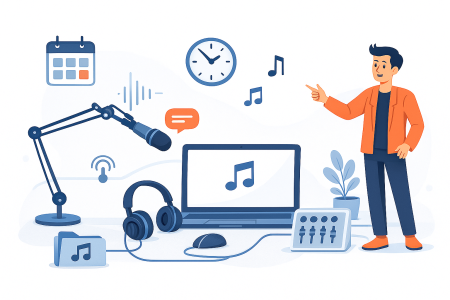
Online radio has become one of the simplest ways for anyone to share music, talk shows, sermons, or live events with listeners around the world. This guide gives you a complete overview of how online radio works without getting too technical. Think of it as a roadmap that helps you understand the entire landscape before you dive deeper into specific topics.
Key Takeaways
- Online radio lets anyone broadcast audio via the internet, allowing listeners to tune in from various devices.
- You can start different types of online radio stations, including music, talk, religious, and community stations.
- Online radio can be live or automated; many stations combine both methods for continuous broadcasting.
- Basic equipment includes a microphone, headphones, broadcasting software, and a music library, allowing beginners to start affordably.
- People create online radio stations for creativity, community connection, flexibility, and low startup costs.
Table of contents
What Is Online Radio
Online radio is audio that is broadcast through the internet instead of through traditional AM or FM signals. Listeners tune in using smartphones, computers, smart speakers, or apps. Anyone can start an online station, whether you are a music lover, a content creator, a church, a school, or a local community group.
How Online Radio Works at a Basic Level
The concept is simple. You create audio content, you broadcast it through a streaming system, and your listeners connect from anywhere in the world. The technical parts, such as servers, hosting, and AutoD,J are covered in other guides, so this page focuses on the big picture only.
Different Types of Online Radio Stations
There are many styles of online radio, and each one has its own personality. Some play nonstop music, some focus on talk shows, and some combine both. Here are the most common types:
- Music Stations: curated playlists, DJ shows, niche genres
- Talk Radio: interviews, opinions, podcasts, daily commentary
- Religious Broadcasting: sermons, teaching, worship sessions
- School or Campus Stations: student programming, events, education
- Community and Local Stations: small groups sharing local interest content
Live Broadcasting vs Automated Broadcasting
Online radio can be done live or automated. Many stations use both.
- Live Broadcasting: real-time shows using a microphone and broadcasting software
- Automated Broadcasting: preloaded playlists that run automatically when you are offline
Most stations mix live shows with automation, so the station stays on 24/7 without needing someone at the microphone all the time.
The Basic Tools You Need
You do not need expensive equipment to begin. Many beginner stations start with simple tools and upgrade later. Here is the basic list:
- Microphone: for talking, interviews, and live shows
- Headphones: to monitor your audio clearly
- Broadcasting Software: for live streaming or managing playlists
- Music Library or Content: legal tracks, voice recordings, or talk segments
- Optional Hardware: mixers, audio interfaces, or external processors
Why People Start Online Radio Stations
People start online radio for many different reasons. Some want to share their favorite music, others want to teach, inspire, or connect with a specific audience. Most broadcasters enjoy it because it is easy to start, creative, and offers global reach.
- Creativity: build your own shows and playlists
- Community: reach people beyond your local area
- Flexibility: broadcast from anywhere at any time
- Low Cost: online radio is simpler and more affordable than traditional radio
Where to Explore Next
This guide is meant to give you a complete overview, not a step-by-step tutorial. Once you understand the basics, here are the next guides to continue learning:
- What Is Internet Radio Hosting
- Streaming Server Hosting Explained
- Internet Radio Hosting Plans Explained
- Beginner’s Guide to Online Radio
- How to Start an Online Radio Station
You now have a full map of the online radio world. From here, you can go deeper into the topics that match your goals, whether it is hosting, equipment, automation, or building a long-term audience.
FAQs
Online radio is audio that is broadcast through the internet instead of through traditional AM or FM signals. Listeners can tune in using smartphones, computers, smart speakers, or apps.
Online radio works by sending your audio through a streaming system so listeners can tune in from anywhere in the world. You focus on creating content while the system delivers it to your audience in real time.
You can create music stations, talk radio shows, religious broadcasting, school or campus stations, or community-based stations. Each type has its own style and goals.
You can broadcast live or run automated playlists. Most stations use both, doing live shows when available and automation when offline.
Most beginners start with simple tools like a microphone, headphones, broadcasting software, and a music or content library. Optional equipment like mixers or audio interfaces can be added later.
People start online radio stations to share music, teach, inspire, build a community, or reach a global audience. It is creative, flexible, and affordable for beginners.
You can explore more specific topics such as internet radio hosting, streaming server hosting, different hosting plans, detailed beginner guides, or step-by-step tutorials on launching a station.


