
Audio Streaming for Broadcasters, Use Cases for Every Type of Station
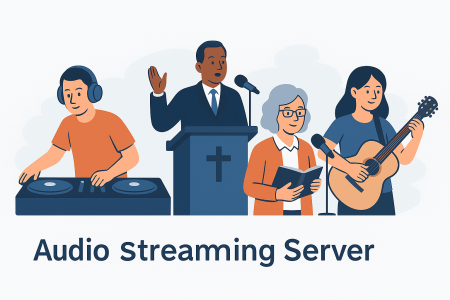
Audio streaming for broadcasters covers a wide range of real-world use cases. From music stations to talk radio, from churches to schools, each type of broadcaster uses online audio differently. This guide focuses on how broadcasters actually use streaming in their daily operations without going into technical hosting or server explanations.
Key Takeaways
- Audio streaming for broadcasters enables various types of content delivery: music stations, talk radio, churches, schools, and DJs utilize it differently.
- Music stations focus on playlists and consistent audio quality, while talk radio emphasizes clarity and audience engagement.
- Churches use streaming to connect with members remotely, and schools leverage it as an educational tool for broadcasting programs.
- DJs and personal broadcasters use audio streaming to share mixes and unique content, helping them build audiences globally.
- Overall, streaming provides an accessible way for broadcasters to reach listeners anytime, anywhere.
Music Stations
Music based broadcasters rely on continuous playlists, smooth transitions, and consistent audio quality. These stations stream genres like pop, rock, electronic, or mixed formats. Their priority is a steady flow of music that listeners can tune into at any time of day.
Music stations often schedule theme hours, create curated playlists, and maintain a balance between familiar songs and new discoveries. Consistency is important because listeners expect a dependable stream they can return to every day.
Talk Radio Stations
Talk broadcasters use streaming to deliver news, interviews, commentary, and spoken word programs. These shows are often live, personality driven, and segmented into episodes or blocks.
A talk radio station usually focuses on clarity of voice, audience engagement, and reliable listening access. Because talk content is not music heavy, broadcasters often build loyal communities around their hosts and discussions.
Churches and Ministries
Churches use audio streaming to reach members who cannot attend in person. Their content includes sermons, teachings, prayer services, and community messages. Streaming lets ministries stay connected with their local congregation and extended audience anywhere in the world.
Some churches also use streaming as an archive of past services, allowing listeners to replay teachings throughout the week.
Schools and Educational Institutions
Many schools and colleges run small online radio stations as part of media, journalism, or broadcasting programs. Students learn how to create shows, manage content schedules, and speak live on air. Streaming is used as an educational tool for teaching communication and production skills.
Some schools also broadcast campus news, student discussions, or music shows, giving students a platform to express themselves while learning modern media workflows.
DJs and Personal Broadcasters
DJs use audio streaming to share mixes, live sets, and curated music sessions with a global audience. Streaming helps DJs build a personal brand, attract followers, and showcase their style across various genres.
Individual broadcasters also use streaming to share unique content like hobby shows, community news, or niche music formats. This flexibility is one of the reasons online audio continues to grow.
Why Audio Streaming Works for All Broadcasters
Streaming creates an accessible way for any broadcaster to reach listeners without geographic limits. Whether the goal is entertainment, education, ministry, or personal expression, online audio makes it possible to reach people on any device at any time.
Related Guides
- What Is Internet Radio Hosting
- Streaming Server Hosting Explained
- Internet Radio Hosting Plans Explained
- Beginner’s Guide to Online Radio
- How to Start an Online Radio Station
FAQs
Audio streaming for broadcasters is the practice of delivering live or recorded audio online, used by music stations, talk radio, churches, schools, and DJs.
Music stations, talk stations, churches, ministries, schools, and DJs all use streaming to reach listeners on any device without geographic limits.
Yes, music stations focus on playlists and continuous audio flow, while talk stations focus on speech clarity, live hosting, and listener engagement.
Churches use streaming to reach members who cannot attend in person, and schools use it as a learning tool for media and broadcasting programs.
Yes, DJs and personal broadcasters use streaming to share mixes, shows, and unique content with listeners worldwide.


